Hi everyone, and welcome back to my channel. In this video, I’m going to share my approach to combining textures in both Blender and Unreal Engine. I took an online course on these software to speed up my learning process, and I found it helpful to explore how the concepts from one platform could be applied in the other.
The Flag Experiment:
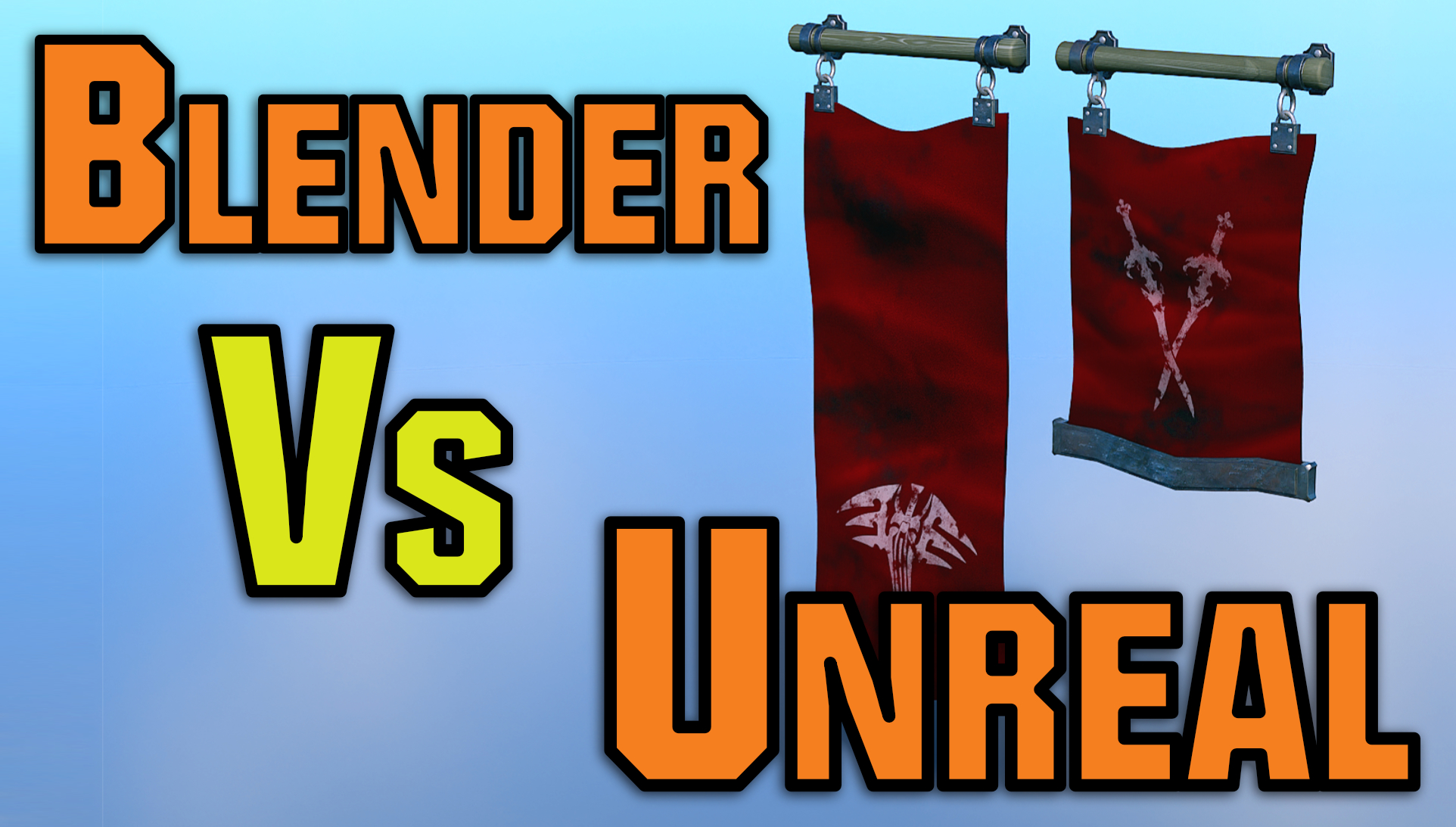
For this experiment, I duplicated a cloth material in Blender and added textures to create a flag. In Unreal Engine, I followed a similar process but used different node configurations for texture mapping and blending.
Blender Technique:
Used texture coordinate and mapping nodes to define the texture placement.
Employed color adjustment nodes to fine-tune the colors.
Combined textures using the color mix node with various blending modes.
Unreal Engine Technique:
Created a master material with scrolling textures for a preview.
Used a mask node to selectively apply textures based on UV coordinates.
Implemented an LERP node to blend between textures based on a value.
Adjusted UV map scaling and texture placement to achieve desired folds.
Results:
Both Blender and Unreal Engine produced similar results, demonstrating the versatility of combining textures in different software. I found that understanding the underlying concepts from one platform helped me navigate the other more efficiently.
Conclusion:
Combining textures is a powerful technique for creating visually appealing assets in game engines. By exploring cross-platform knowledge, developers can leverage the strengths of each software to achieve their artistic goals.
Key Takeaways:
Understanding texture mapping and blending techniques in both Blender and Unreal Engine is crucial for combining textures effectively.
Cross-platform knowledge transfer can enhance creativity and efficiency in game development.
Experimentation and exploration are key to unlocking new possibilities in game creation.